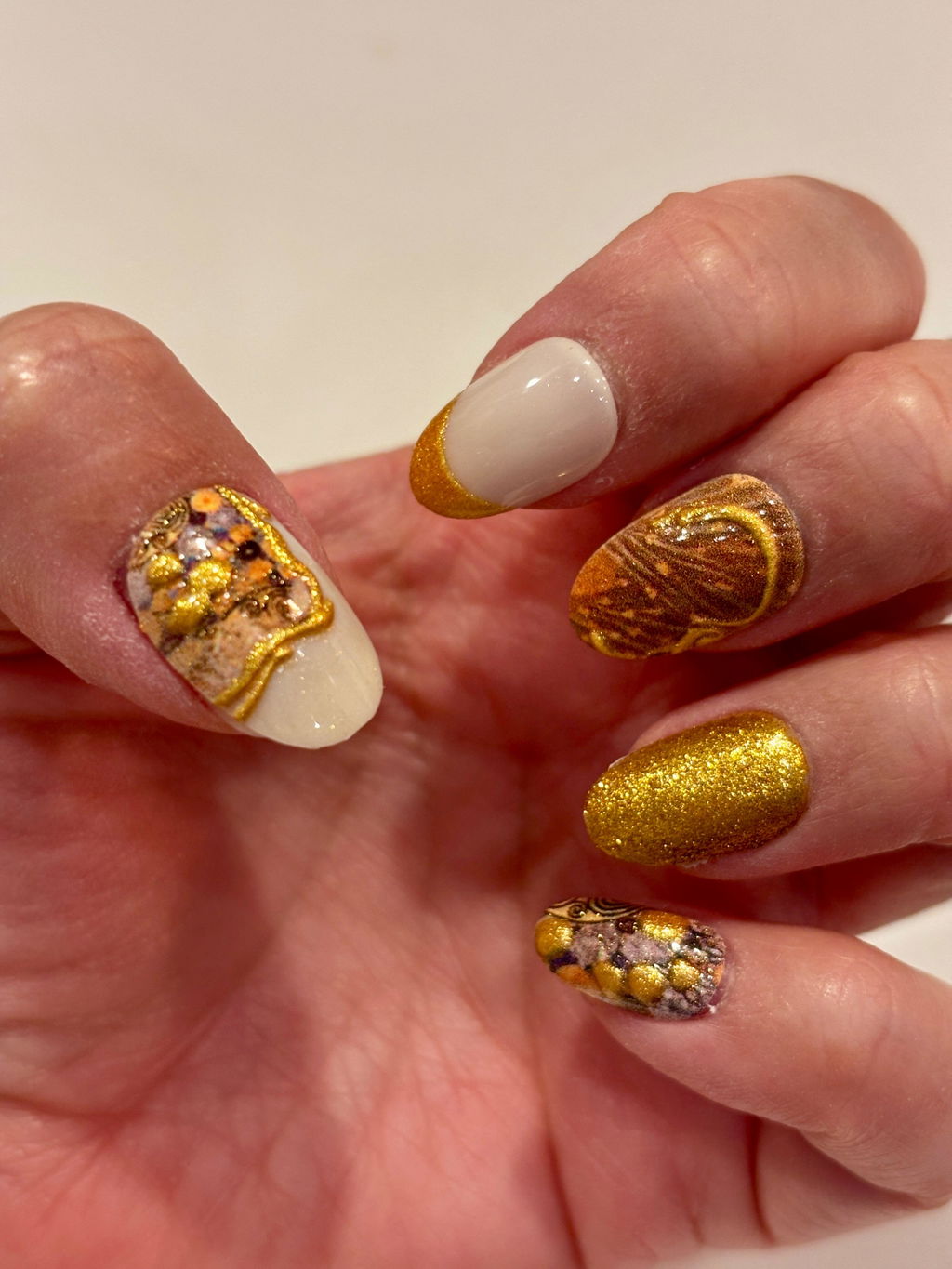
Are Temporary Tattoos Safe for Sensitive Skin?
Yes, but with conditions. Temporary tattoos are almost always safe. But for sensitive skin, that "almost" matters. Two people can use the exact same inked temporary tattoo: one wears it for a week without a single issue, the other is red and itchy within an hour. Here's what this blog covers: how to figure out which situation applies to you, what to look for in products, and what to do if a reaction comes up.
Do Temporary Tattoos Cause Allergic Reactions?
The Short Answer
For most people, waterslide transfer tattoos are safe. The FDA strictly regulates temporary tattoo color additives and requires their disclosure on product labels. Brands are responsible for using only color additives approved for cosmetic skin use. Reactions that do occur are almost always tied to specific ingredients or a specific skin condition, not to the category overall.
Who Is Actually at Risk
Some people need to be more careful than the average user. Pay close attention if you have a history of:
- Eczema, psoriasis, or contact dermatitis (skin that flares up after contact with certain products)
- Known allergies to cosmetics, hair dye, or fragrance
- A compromised skin barrier right now: recent sunburn, scrapes, or recently healed wounds
- Young children's skin, which is thinner and absorbs things more easily than adult skin

The Difference Between Irritation and Allergy
These two reactions get confused all the time, but they're handled differently.
Irritation usually shows up within a few hours: mild redness or a faint itch, often right at the edges of the tattoo. It typically resolves on its own once the tattoo is removed and doesn't automatically signal a need to avoid all similar products.
Allergic reactions can appear 24 to 72 hours after contact. Symptoms include swelling, blistering, and itching that spreads beyond the tattoo area. These may need medical attention, and the triggering ingredient is worth permanent avoidance across future products.
| Irritation | Allergy | |
|---|---|---|
| Timing | Within hours of applying | 24–72 hours after contact |
| Symptoms | Mild redness, faint itch | Swelling, blisters, persistent itching |
| Area | Usually at tattoo edges | May spread beyond contact zone |
| Treatment | Usually clears after removal | May need medical care |
| Future use | May be product-specific | Avoid the ingredient permanently |
Which Ingredients Should You Strictly Avoid?
The Ingredient Most Likely to Cause Reactions
PPD (para-phenylenediamine) is the most well-known cause of serious allergic reactions in the temporary tattoo category, and it's worth understanding even if you're only considering waterslide decal tattoos. Here's why: PPD is found primarily in black henna temporary tattoos, not in standard waterslide products from reputable brands. The FDA does not permit PPD in cosmetics applied to the skin. However, not everything marketed as a "temporary tattoo" is a standard decal product, and some products from unverified sources contain ingredients that aren't labeled clearly. If you've ever had an allergic reaction to dark hair dye, your body has already built a sensitivity to PPD — meaning any product that contains it can trigger the same reaction, even at low levels.
On ingredient labels, PPD can appear as: p-Phenylenediamine, 4-aminoaniline, 1,4-Benzenediamine, or Oxidation Base 10. Any of these names on a temporary tattoo product is a clear flag to put the product down.
Other Ingredients Worth Checking
Fragrance (listed as "Fragrance" or "Parfum") ranks among the most common sources of skin irritation in cosmetics. For reactive skin, it's the first thing to look for on any ingredient list. Formaldehyde-releasing preservatives like DMDM Hydantoin and Quaternium-15 can also irritate sensitive skin and appear in some budget products. Nickel, found in trace amounts in metallic gold or silver tattoos, is worth checking if you have metal allergies. And high concentrations of alcohol in adhesive formulas can disrupt the skin barrier over time, especially on the face.

What Safe Temporary Tattoo Paper Is Made Of
Quality waterslide temporary tattoo paper is built on a straightforward base: non-toxic water-based inks, cosmetic-grade adhesive, and a paper backing layer. When scanning product listings, look for "skin-safe," "FDA-compliant," or "dermatologist-tested" as your fastest first filters, followed by a full ingredient check.
When Should You Skip Temporary Tattoos Entirely?
There are a few situations where holding off completely, or checking with a dermatologist first, is the smarter call.
Active Skin Conditions in the Application Area
If you're in the middle of an eczema, psoriasis, or seborrheic dermatitis (a flaky, irritated skin condition) flare in the spot you want to tattoo, the skin barrier is already broken down. External ingredients penetrate much more easily than they would on healthy skin, which raises both the likelihood and the severity of a reaction.
Open Wounds, Sunburn, or Recent Irritation
Sunburned skin, minor scrapes, or freshly peeled skin all lack a complete protective layer. Even ingredients that are normally well-tolerated can become irritating on a compromised surface.
Known Allergy to PPD or Hair Dye
If you've ever had a reaction to dark hair dye, your body is already sensitized to PPD — any product containing it can trigger a reaction. For temporary tattoos specifically: stick to waterslide decal products from brands that list their ingredients, avoid anything labeled as henna or black henna, and look for products explicitly marked "PPD-free." A patch test is still worth doing regardless of what the label says.
Very Young Children
Infants and very young children have skin that absorbs things more easily than older children and adults. For the youngest children, it's worth checking with a pediatrician first. Children old enough to communicate any discomfort can generally use waterslide decal tattoos with the right precautions: choose products with simple ingredient lists made for kids, keep them off the face and eyes, and always do a patch test.
How to Choose a Temporary Tattoo That Won’t Irritate Your Skin
What “Hypoallergenic” Actually Means
“Hypoallergenic” is not a regulated term, so any brand can use it without clinical proof. Labels that carry real weight include: Dermatologist-tested, Patch-tested, FDA-compliant ingredients, and PPD-free (especially worth confirming if you have a hair dye allergy history or are unsure of a product's formulation).
Three Pre-Purchase Checks
First, confirm the full ingredient list is publicly available: brands that won't disclose ingredients are a clear warning sign. Second, look for real reviews from people with sensitive or reactive skin, not only comments about design quality. Third, check that the product distinguishes between body and face use: the same formula can respond very differently depending on where it's applied.
Special Considerations for Face Placement
Custom face tattoos are having a moment: foreheads, cheekbones, and the corners of the eyes are all popular placements for inked temporary tattoo designs. Facial skin is generally thinner and more reactive than skin on the arms or torso, so ingredients absorb more readily. The skin around the eyes is among the thinnest anywhere on the body. The T-zone also produces more natural oil (sebum), which can interfere with how well the tattoo sticks and increase skin contact with the formula. Any product containing fragrance should stay well away from the eye area.
For face application: prioritize products explicitly labeled "safe for face," keep ingredient lists short (a product with a long, complex ingredient list warrants more scrutiny for face use), and always do a patch test prior to full application. Check each Never Have I Ever product's detail page for ingredient information and placement guidance to confirm it suits your intended use.
What to Do If Your Skin Reacts
Step 1: Remove the Tattoo Immediately
At the first sign of redness, itching, or swelling, take it off right away. Soak the area with warm water, then gently dissolve the adhesive using baby oil or olive oil. Follow with a mild, soap-free cleanser. Don't yank the tattoo off dry, and don't use alcohol on skin that's already reacting.
Step 2: Soothe the Affected Area
For mild redness or a faint itch: press a cool damp cloth against the area for 5 to 10 minutes, then apply a fragrance-free aloe gel or a light, unfragranced moisturizer. Most mild irritation clears up on its own within 24 hours.
For visible redness, bumps, or a rash: an over-the-counter hydrocortisone cream, used as directed, can help dial down the inflammation.
For blisters or weeping skin: don't puncture anything. See a doctor.
Step 3: Know When to See a Doctor
Get medical attention if the reaction spreads beyond the tattoo area, if blistering or open skin appears, if symptoms come with a fever or widespread rash, or if things haven't improved 48 hours after removal.
Record What Happened
Write down the product name, ingredient list, where you placed the tattoo, when symptoms appeared, and what they looked like. These notes are useful at a doctor's appointment and help you identify patterns for future purchases.
How to Do a Patch Test Before Applying
The Step That Catches Most Problems in Two Minutes
A patch test exists to catch a problem on a small patch of skin instead of your entire face or arm. It doesn't eliminate all risk, but it gives you the most useful information possible prior to committing to a full application.
The Complete Patch Test Process
Step 1: Choose your test site. The inner elbow is the best default: the skin is thin and sensitive, similar to most areas where you'd wear a tattoo. Behind the ear or on the neck also work. Avoid the inner wrist: too much friction there can throw off the results.
Step 2: Clean and dry the skin. Use a gentle cleanser, dry thoroughly, and wait 10 minutes. No moisturizer, serum, or oil on the test area.
Step 3: Apply a small piece. Cut roughly a 1-inch square section and apply it the standard way: press with a damp cloth for 30 to 60 seconds, then peel the backing.
Step 4: Watch and wait. Right after application: any stinging or burning is a signal to remove it immediately. At 1 to 2 hours: mild edge redness is worth monitoring, but progressively worsening redness is a signal to take it off. At 24 hours: any bumps, swelling, or itching is a signal to skip the full application. At 48 hours: no reaction, and you're cleared to use the product as intended.
Why 48 hours instead of 24? Allergic contact dermatitis is a delayed immune response that can develop anywhere between 24 and 72 hours after contact. Clearing the 48-hour mark is considerably more reliable than stopping at 24.
Step 5: Prep for the actual application. The same process as the patch test: clean skin, fully dry, 10-minute wait. Then apply following the standard how to apply temporary tattoos method: wet cloth pressed for 30 to 60 seconds, then peel the backing slowly.
One More Note on Face Application
If the tattoo is going on your face, run the patch test behind your ear or along the inner edge of your jaw. Skin in those areas is closer in thickness and texture to cheek and forehead skin than the inner elbow is, which makes the test result more applicable to where you're actually placing the tattoo.
The Bottom Line
For most people, waterslide temporary tattoos from a reputable brand are safe and straightforward. For sensitive skin, safety isn't luck. It comes down to three steps: checking ingredients prior to buying, doing a patch test, and knowing what to do if a reaction comes up.
Never Have I Ever's temporary tattoo collection includes waterproof designs for creative placement. Check each product's detail page for ingredients and application guidance, start with a smaller design, and do a patch test to build confidence with any new product.
FAQs
Q1: Are Temporary Tattoos Safe for Kids?
Waterslide decal tattoos are generally safe for children with the right product and a few precautions: choose products with simple, clearly listed ingredients, keep them off the face and eye area, and always do a patch test. For very young children, check with a pediatrician first. Black henna products containing PPD are not appropriate for children at any age.
Q2: Can I Use Temporary Tattoos on My Face?
Yes, with the right product. Look for options explicitly labeled "safe for face," keep the ingredient count low, and do a patch test behind your ear prior to applying to the cheek or forehead. Any product with fragrance should stay away from the eye area entirely.
Q3: How Long Do Reactions to Temporary Tattoos Usually Last?
Mild irritation typically clears up within 24 to 48 hours after removing the tattoo. A genuine allergic reaction (swelling, bumps, persistent itching) can last several days and may need medical treatment.
Q4: Are Waterproof Temporary Tattoos More Irritating Than Regular Ones?
Waterproof formulas use stronger adhesives and stay on longer, resulting in more sustained skin contact. For most people, this makes no practical difference. If your skin is highly reactive, starting with a non-waterproof version for the patch test is a sensible approach.
Q5: What Removes a Temporary Tattoo if I Have a Reaction?
Baby oil or olive oil gently breaks down the adhesive layer. Follow with a mild cleanser and warm water. Skip scrubbing and avoid alcohol: adding friction or chemical irritation on top of a reaction only makes things worse.