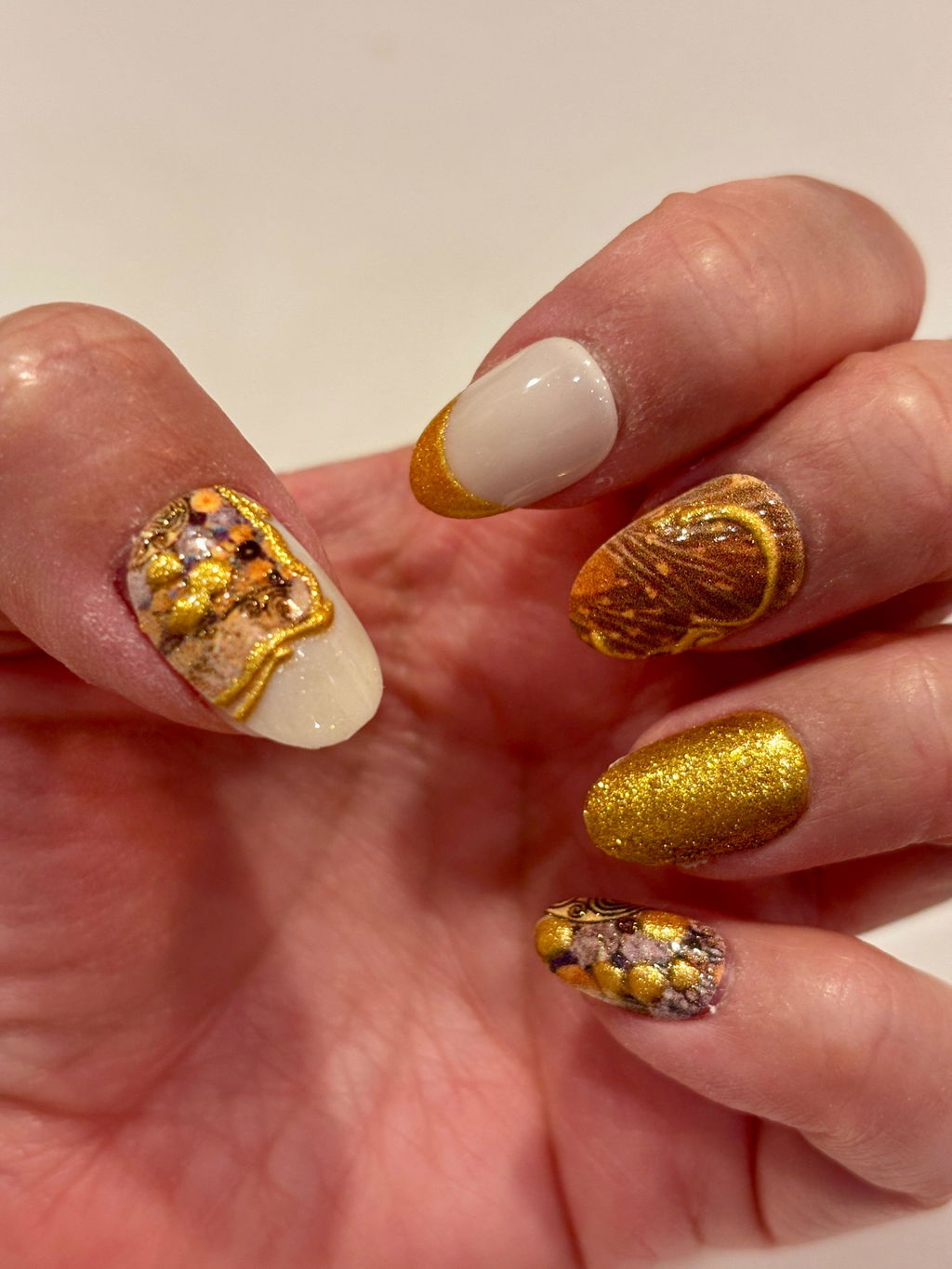
Reusable vs. Disposable Press-On Nails: Which Are Actually Worth Buying?
The short answer: reusable press-ons are worth it — with the right care routine
If you're choosing between reusable and disposable press-on nails, reusable wins on almost every metric that matters: cost-per-wear, design quality, and how good they actually look on your hand. The catch is that "reusable" only delivers on its promise when the nails are made from thicker, more flexible material and you know how to remove, clean, and reapply them properly. Skip those two things and even the best set becomes a one-and-done.
This guide breaks down exactly what separates the two categories, when disposable makes sense, and how to get the most wears out of a quality reusable set — including the Dawn dish soap trick that nail fans have been quietly passing around.
What actually makes a press-on nail "reusable"?
The word gets thrown around a lot, but not every press-on that claims to be reusable actually holds up to a second application. True reusability comes down to three things:
- Material thickness and flexibility. Thin, rigid nails crack or split under everyday stress — opening jars, typing, washing dishes. A thicker, slightly flexible nail shell can absorb that impact without fracturing, which is what lets it survive removal and reapplication intact.
- Design integrity after removal. Cheaper press-ons use printed designs that can peel or cloud when they get wet or when adhesive is pulled away. Higher-quality sets protect the design layer so it looks as sharp on wear three as it did on wear one.
- Adhesive compatibility. Reusable nails need to be removed gently (more on that below) and re-adhered cleanly. If the nail base gets warped or gummy from a bad removal, it won't sit flush the second time around.
At Never Have I Ever, every Essential press-on set is explicitly built to be reused — that's not just a marketing line, it's a construction decision. The nails are designed to be applied again and again with proper care, which is why the brand includes both nail glue and adhesive tabs in each kit: different adhesion levels for different wear scenarios.
Reusable vs. disposable: the honest comparison
Cost-per-wear
A disposable drugstore set might run $8–$12 and is designed for a single wear. A quality reusable set costs more upfront — typically $15–$25 — but if you get three to five wears out of it, you're paying $3–$8 per manicure. That's competitive with, or cheaper than, the disposable option, and dramatically cheaper than a salon visit.
The math only works, though, if the nails actually survive multiple wears. That's where material quality becomes the deciding factor — not the price tag on the box.
Design quality
Disposable press-ons are almost always mass-produced with a single printed layer. Reusable sets — especially artist-collaborated ones — tend to feature more complex, layered designs: metallic accents, pearl details, dimensional finishes, and art-licensed artwork that wouldn't survive a cheap manufacturing process.

That level of design complexity is only worth investing in when the nail is built to last. Putting an intricate art-licensed design on a thin, disposable shell is like printing a museum poster on tissue paper.
Fit and comfort
One of the most common frustrations with press-on nails — reusable or disposable — is fit. Nails that are too wide lift at the edges; nails that are too long look unnatural. Disposable sets typically come in fewer size increments, which means more compromise. Reusable sets from quality brands tend to offer more size options and clearer sizing guidance, because the brand has a stake in you getting a good fit (a nail that lifts on day one won't make it to wear two).
If you're new to press-ons, take the time to size properly before applying: lay each nail over your natural nail without pressing down, and choose the size that covers your nail bed edge to edge without overlapping your skin. A flush fit is the single biggest factor in how long any press-on lasts.
Environmental footprint
Disposable press-ons are single-use plastic, full stop. If you're doing your nails every two weeks, that's 26 sets a year going into the bin. Reusable sets that genuinely survive three to five applications cut that number dramatically. It's not the primary reason to choose reusable, but it's a real one.
When disposable press-ons actually make sense
Reusable isn't always the right call. Here's when disposable wins:
- One-time events where you want maximum hold, not reuse. If you're wearing press-ons to a wedding or a multi-day festival and you need them to survive 48 hours of dancing, sweating, and general chaos, you might apply them with more glue than a reuse-friendly removal requires. In that case, you're optimizing for single-wear durability, not longevity.
- Trying a new shape or length for the first time. If you've never worn coffin or stiletto nails and want to test the shape before committing to a higher-quality set, a cheaper disposable lets you experiment without the investment.
- Kids or occasional wearers. If press-ons are a once-a-year thing, the cost-per-wear math shifts. A disposable set is perfectly reasonable for someone who just wants nails for a costume or a single event.
Outside of those scenarios, reusable sets deliver better value, better design, and a better experience — assuming you treat them right.
How to actually get multiple wears out of reusable press-ons
This is where most people leave value on the table. The nails are built for reuse; the routine just needs to match.
Step 1: Apply with the right adhesive for your timeline
Every Never Have I Ever kit includes both adhesive tabs and nail glue, and the choice matters. Adhesive tabs are great for shorter wear (1–3 days) and make removal easier and cleaner, which is ideal if you're planning to reuse. Nail glue gives you longer hold — closer to the 1–2 week range that most people are looking for — but requires more care at removal.
A common mistake is using nail glue for a quick weekend wear and then peeling the nail off when you're done. That's how nails get damaged. Match your adhesive to your intended wear time.

Step 2: Remove gently — never peel
Peeling press-ons off is the fastest way to end their reusable life. Instead:
- Soak your nails in warm, soapy water for 5–10 minutes to loosen the adhesive.
- Use the cuticle stick included in your kit to gently lift the edge of the nail — start at the side, not the tip.
- Work slowly around the perimeter until the nail releases without force.
- If you used nail glue, a few drops of acetone-based nail polish remover around the edges (not soaking) will help break the bond without damaging the nail.
Step 3: Clean the nails with Dawn dish soap
This is the step most people skip — and it's the one that makes the biggest difference. After removal, any adhesive residue left on the back of the nail will prevent a clean bond on the next application and can cause lifting.
The method that nail fans have discovered: wash the press-ons gently with a drop of Dawn dish soap (or any gentle dish soap) and warm water, using your fingers or a soft toothbrush to work off any glue residue. Rinse thoroughly and let them air dry completely — flat, not stacked — before storing.
Dawn in particular cuts through adhesive residue without being harsh enough to damage the nail's finish. It's the same principle as using it to clean delicate surfaces: effective but gentle.
Step 4: Store them properly
Once clean and dry, store your press-ons in their original tray or a small flat container. Keeping them organized by size means you're not hunting through a pile every time you reapply — and you avoid the accidental bending that happens when nails get jumbled together.
Step 5: Reapply with fresh adhesive
On reapplication, always start with a clean, dry natural nail. Wipe each nail with the alcohol pad (included in your kit) to remove any oils — this is the step that separates a 3-day wear from a 10-day wear. Apply fresh adhesive tabs or a thin layer of nail glue, press firmly for 30 seconds, and avoid water for at least an hour after application.
If you're reapplying with nail glue after a previous glue application, make sure all residue is off the back of the press-on first. Layering glue on old glue creates an uneven surface that lifts faster.
The material question: why thickness and flexibility matter
The most common complaint about press-on nails — across every brand and price point — is splitting. A nail that splits on day two isn't reusable, and it's barely even disposable. The culprit is almost always material: nails that are too thin flex under pressure until they crack, usually at the stress point near the tip or along the sidewall.
A thicker nail shell distributes that pressure instead of concentrating it. But thickness alone isn't enough — a nail that's thick but rigid will pop off rather than flex with your natural nail's movement. The sweet spot is a nail that has enough body to resist splitting but enough give to move with you.
This is why Never Have I Ever's Essential sets are built with comfortable, lightweight wear as a core feature — not just aesthetics. A nail that feels good and moves naturally is one you'll actually keep on long enough to justify reusing it.

What about adhesive tabs vs. nail glue — which is better for reuse?
Short answer: adhesive tabs are better for reuse; nail glue is better for longevity. Here's why:
- Adhesive tabs create a bond that's strong enough for 1–3 days of normal wear but releases cleanly when you're ready to remove. Less residue on the nail back means easier cleaning and a better surface for the next application. If you're rotating sets frequently or want maximum reuses, tabs are your friend.
- Nail glue gets you closer to that 1–2 week wear window, but it requires more careful removal. Used correctly — with a gentle soak and cuticle stick — it doesn't have to damage the nail. Used incorrectly (read: peeling), it will.
A practical approach: use adhesive tabs for everyday rotation, and nail glue for events or occasions where you need the extra security. Your reusable set can handle both — just be more deliberate about removal when glue is involved.
One note on the adhesive tabs included in kits: they're a good starting point, but if you're finding they don't hold as long as you'd like, it's worth picking up a separate nail glue. The tabs that come in kits are designed for general use; a dedicated nail glue gives you more control over the bond strength.
Which Never Have I Ever sets are best for reuse?
Every Essential press-on set in the Never Have I Ever lineup is built to be reused. A few standouts worth knowing about:

- Van Gogh Almond Blossom — Delicate florals and airy blues inspired by one of Van Gogh's most beloved works. The short oval shape is one of the most wearable for everyday life, which means more wears before you're ready to switch it up.
- French Leopard — A classic French tip with a wild twist. Timeless enough to wear to work, interesting enough to get compliments. Reusable sets with clean base designs like this tend to photograph and wear consistently across multiple applications.
- French But Make It Fabulous — Clean French lines with blush tones and crystal accents, created in collaboration with FlutterHabit x Never Basic. Beginner-friendly shape and a design that reads well whether it's your first wear or your fourth.
- Claude Monet Water Lilies — Dreamy marbled tones and pearl accents inspired by Monet's Water Lilies. The short oval shape and soft palette make this one of the most versatile reusable sets in the collection.
If you want to explore the full range, the Ocean Dream Bundle and the Floral Bundle are good entry points — both pair reusable press-on sets with complementary accessories so you can build a full look.
The real cost of getting this wrong
Here's the thing nobody tells you: most people who've had a bad experience with press-on nails had a bad experience with disposable press-ons, or with reusable ones they didn't know how to care for. They peeled them off, bought another set, peeled those off too, and concluded that press-ons just don't work for them.
They do work. They work really well. But they work like any other beauty tool: with a little technique and the right materials. A quality reusable set, properly sized, applied with the right adhesive, and removed gently, will give you salon-quality nails at a fraction of the cost — multiple times over.
The "will these actually last?" anxiety is real, and it's earned. But it's answerable. The answer is: yes, if you buy reusable, buy quality, and follow the care routine above.
Frequently asked questions
How many times can you reuse press-on nails?
With proper removal and cleaning, a quality reusable press-on set can typically be worn 3–5 times. The limiting factors are usually the design (does it still look sharp?) and the nail base (is it still smooth and residue-free?). Nails that are removed gently and cleaned with dish soap after each wear consistently last longer than those that are peeled off or stored without cleaning.
What's the best way to clean press-on nails for reuse?
After gentle removal, wash the nails with a drop of Dawn dish soap and warm water, using your fingers or a soft toothbrush to remove any adhesive residue from the back. Rinse well and let them air dry completely before storing. This removes the glue buildup that prevents a clean bond on reapplication — and it's gentle enough not to damage the nail's finish.
Can you reuse press-on nails after using nail glue?
Yes, but it requires more care. Soak the nails in warm soapy water after removal, and use a small amount of acetone around the nail edges (not soaking) to break down any remaining glue on the back of the nail. Clean with dish soap, dry thoroughly, and inspect the nail base before reapplying. If the base is warped or has thick glue buildup, the nail won't sit flush on the next application.
Are adhesive tabs or nail glue better for reusable press-ons?
Adhesive tabs are better if you're prioritizing reuse — they create a clean release with less residue. Nail glue is better if you need longer wear (closer to 1–2 weeks). You can use both across the lifespan of a single set: tabs for shorter wears, glue for occasions when you need extra hold, as long as you're careful about removal each time.
Why do my press-on nails keep splitting?
Splitting almost always comes down to material thickness. Thin, rigid nails concentrate stress at the tip and sidewall until they crack. Look for press-ons described as comfortable and flexible — a nail with some give distributes pressure instead of breaking under it. Proper sizing also helps: a nail that sits flush to your nail bed is under less mechanical stress than one that's slightly too wide and bowing at the edges.
How long do reusable press-on nails last per wear?
With adhesive tabs: typically 1–3 days. With nail glue, applied to a clean, oil-free nail: 1–2 weeks is achievable. The biggest variables are nail prep (alcohol wipe before application), adhesive choice, and how much water exposure you have in the first 24 hours. Avoid soaking your hands for at least an hour after application to let the bond fully set.
What's the difference between reusable and disposable press-on nails?
Reusable press-ons are made from thicker, more flexible material with design layers that hold up through multiple wears and removals. Disposable press-ons are thinner, designed for a single use, and typically use simpler printed designs. Reusable sets cost more upfront but deliver a lower cost-per-wear, better design quality, and less waste over time.
Do Never Have I Ever press-on nails come with nail glue?
Yes — every Never Have I Ever Essential kit includes nail glue, adhesive tabs, a cuticle stick, and an alcohol pad. The alcohol pad is there for a reason: wiping your natural nail before application removes the oils that cause early lifting, and it's the step most people skip.